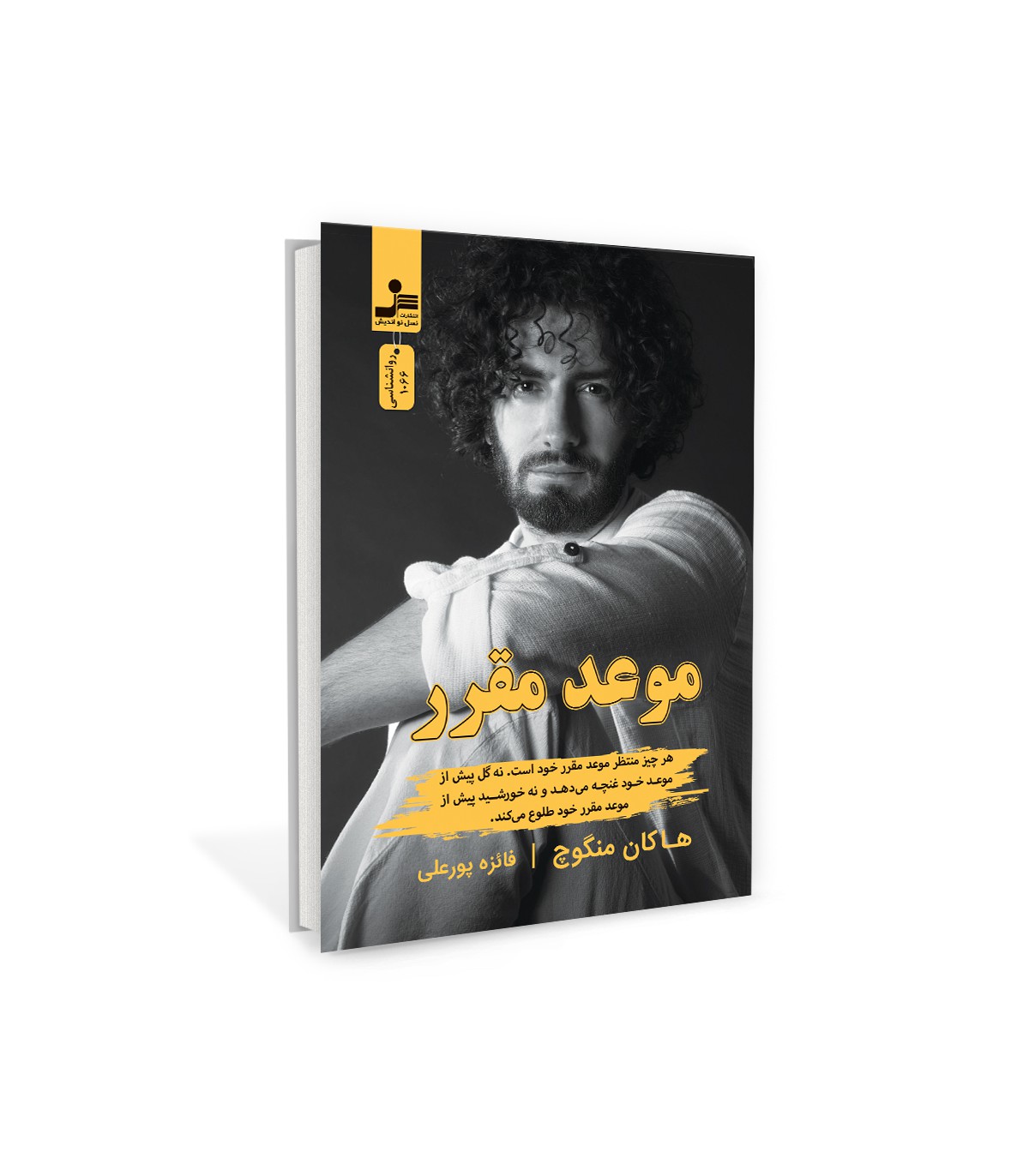
Before starting this book, I expected to encounter Sufism, its philosophy, and the teachings of Rumi and Shams of Tabriz. At the same time, I expected to find mostly superficial motivational topics and unsupported inspirational quotes. However, this assumption did not remain with me until the end of the book.

The book is inspired by the ideas of Shams of Tabriz and Rumi. It tries to show that mysticism does not belong only to the past; it can also guide life today. Through stories, examples, and short reflections, the author invites the reader on an inner journey.

The first lesson of the book is about being a learner. According to the author, a person who believes they know everything can no longer learn anything. A true learner lives with humility, curiosity, and a willingness to change.

Another important theme is patience. The author repeatedly emphasizes that every event happens at its proper time. Much human suffering comes from impatience, comparing ourselves with others, and trying to control everything. Patience does not mean doing nothing; rather, it means making an effort while also accepting life’s timing.

The book then turns to love. From the perspective of Shams and Rumi, love is not merely a romantic feeling. It is a force that moves people away from selfishness, softens their hearts, and brings them closer to God, nature, and other people. Another central message of the book is self-knowledge. The author believes that many people spend their entire lives knowing others while neglecting themselves. A person who knows themselves can more easily accept their weaknesses, fears, and abilities, and becomes less trapped by the judgments of others.

In other sections, the author speaks about silence. Silence is an opportunity to hear one’s inner voice and calm the mind. People do not always grow through talking too much; sometimes silence is the best teacher.

Hakan Menguc also emphasizes letting go of attachments. Attachment to the past, fear of the future, excessive interest in wealth and status, or a constant need for others’ approval can prevent peace. Letting go of these attachments makes a person lighter and freer. According to the author, every person can be a teacher for us. Even those who cause us pain can teach us something about patience, forgiveness, or self-knowledge. Therefore, we should see every experience as an opportunity for growth. The book also emphasizes gratitude. Appreciating small blessings shifts our attention from what we lack to what we have and brings greater peace.

In the end, the author concludes that being a student of Shams means remaining on the path of learning, love, humility, and self-knowledge. A complete person is not someone who never makes mistakes, but someone who learns from every experience and becomes a little better each day than they were yesterday.

## Points That Interested Me

One point in the book that interested me deeply was its focus on the question, “Who am I?” By referring to the teachings of Shams of Tabriz, Hakan Menguc discusses ideas that can help us explore this question. In the second section, he invites the reader to reflect: “Where and when did you give up yourself for someone else?”

In the third section, he also speaks about the masks and titles we adopt. Although they may help us become accepted in society, they can also lead us to become alienated from ourselves.

I found the character of Shams of Tabriz especially interesting because of his directness, curiosity, skepticism, and search for truth. I believe that Shams was, himself, a philosopher.

6 Followers
0 Comments
Comments
No comments yet. Be the first to share your thoughts!