A gentle breeze was blowing. Shahnaz, a fourteen‑year‑old girl, was writing an essay with her little pencil on the topic: “What do I want to be when I grow up?” With shining eyes and a mind full of dreams, she wrote: “I want to become a doctor. I want to heal my grandmother and those who are sick. I want to…”

But before she could finish her sentence, her mother’s voice came: “Shahnaz, your father wants you.” With trembling legs she entered the room. Her father sat with a stern face, cast a cold glance, and said: “A suitor has come for you. Haji Abdullah’s family said they want you. I have agreed.”

Silence filled the air. Shahnaz didn’t even know if she was breathing. Her mind went blank. She only repeated one sentence: “But I am a child. I still play. I go to school.” Her father stood up and said: “A woman must grow up in her husband’s house. Your peers are already married.”

That night Shahnaz did not sleep. Her eyes turned red from tears. She held her notebook close and dreamt she was running away; but her legs were heavy, the ground would not let her move, and a voice shouted from behind: “You are a woman now… there is no way back.” A few weeks later, Shahnaz sat at the wedding table in a bridal dress, her heart full of terror. Haji Abdullah was forty‑five years old. His eyes were emotionless, his voice heavy, his gaze cold. Shahnaz whispered “Yes” under her breath, but in her heart she screamed “No” a thousand times.

Days passed like a dark dream. A stranger’s house, a husband she did not know, and women who demanded obedience. No school, no friends, no notebook to write in only the kitchen, serving, and silence. Every night, Shahnaz would retreat to a corner, place her hand on her stomach, and whisper through swallowed sobs: “I am still a child… why did my childhood end? Why did no one ask what I wanted?”

A year later, Shahnaz became a mother. She held a newborn in her arms while she herself was still just a little girl. She had left behind her dolls to now be a mother to a real child.

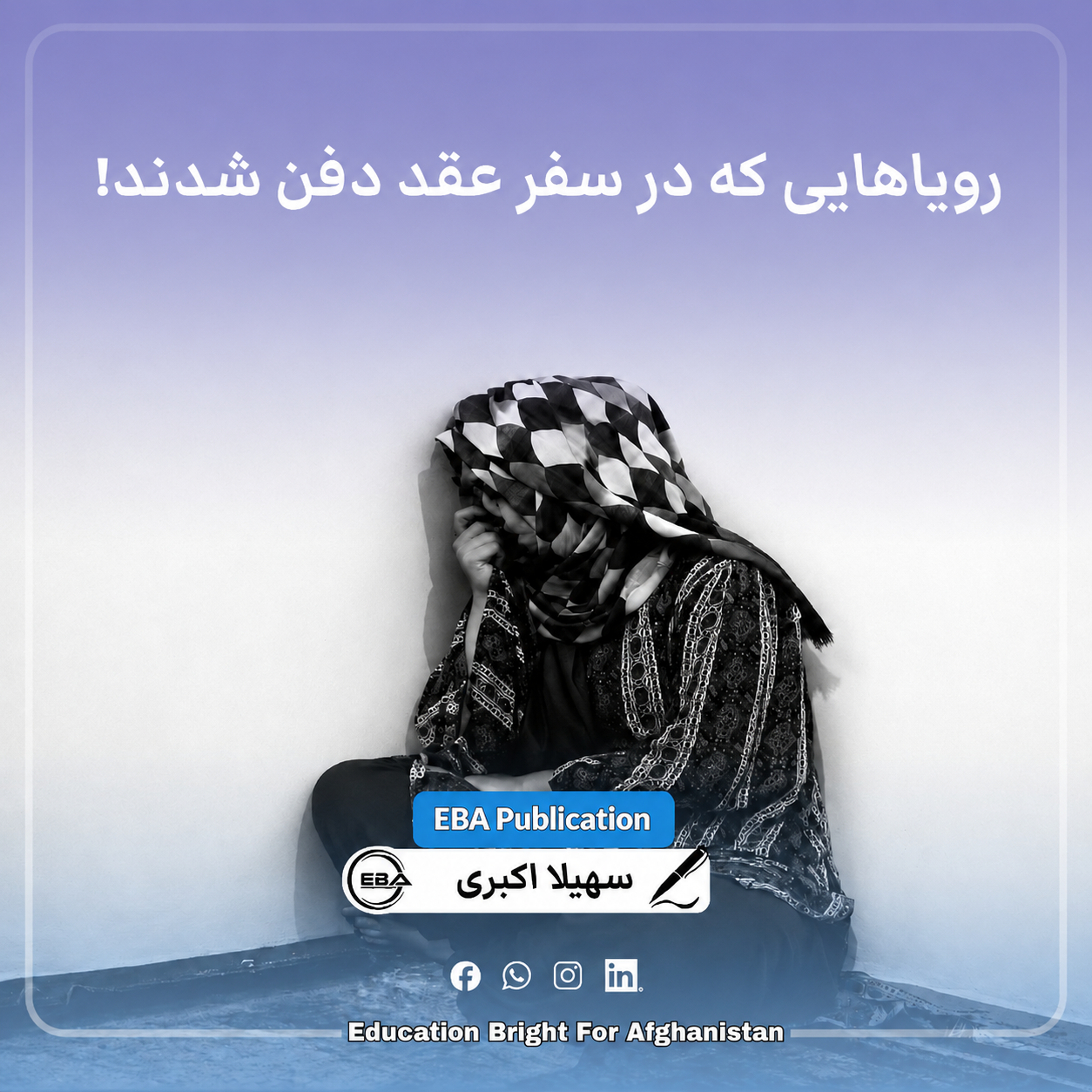
Shahnaz is alive today, but not as she should be. She walks, speaks, laughs. Yet her dreams were buried at the wedding table. Sometimes she would take her old notebook, read that unfinished essay, and smile bitterly.

Across Afghanistan, thousands of girls like Shahnaz live the same fate sent from school to a husband’s house before their childhood was over. These stories are bitter, but real. They are the silenced voices of a generation who, if seen and heard, could have built a better world. We must be their voice not with pity, but with responsibility so that tomorrow no girl holding a notebook and homework suddenly finds herself facing the wedding table.

60 Followers
0 Comments
Comments
No comments yet. Be the first to share your thoughts!