I always thought fatherlessness and orphanhood were crushing burdens; living without a father, especially as a girl, an Afghan girl with hundreds of dreams in her head. The stares of people, their biting words, judgments, and the sinister intentions of some around me were each a weight I had to carry.

But I always believed that through this loss, I had touched the depth of pain. Because I couldn’t reconcile with it, I turned it into a permanent sorrow. Many times I broke, many times my back bent under the weight of life’s hardships, and many times I hit rock bottom but I never drowned, and I never lost myself.

I believed that having tasted the bitter depth of this absence, nothing else could destroy me or bring me down.

I worked, studied, struggled, and built dreams for myself. Despite family opposition and despite being defenseless, I wrote daily, weekly, monthly, yearly, and even five‑year goals. From sixth grade through the completion of my master’s degree, every time I ticked off one of my plans, I felt I was one step closer to my dreams.

Yet the absence of my father continued to torment not just a corner of my heart, but my entire being. Sometimes at night, before sleep, I would converse in my mind with the only refuge I had lost. Sometimes I cried myself to sleep with sobs only a daughter knows.

I thought there was no color darker than black. Every night I passed through that darkness, especially on nights when my laptop screen glowed and I stared at the image of my one beloved. But the next morning, I would put on the mask of a strong girl again and brace myself to fight life.

In the midst of this struggle between life and me, right after I checked off the last goal I had written in twelfth grade defending my master’s thesis, the page of my life suddenly turned. Without any prior preparation, I found myself in the clothes of marriage, on the path of travel and migration.

Outwardly, as my friends said, I was fortunate to leave a male‑dominated country and go somewhere freedom could be lived.

But for me, these two great events marriage and migration were something entirely different from what I had imagined or what my friends described.

These two changes did something to me that even now, after ten years of living in migration, I am still searching for the missing pieces of myself.

Sometimes I honestly think: yes, you are lost… what a loss indeed!

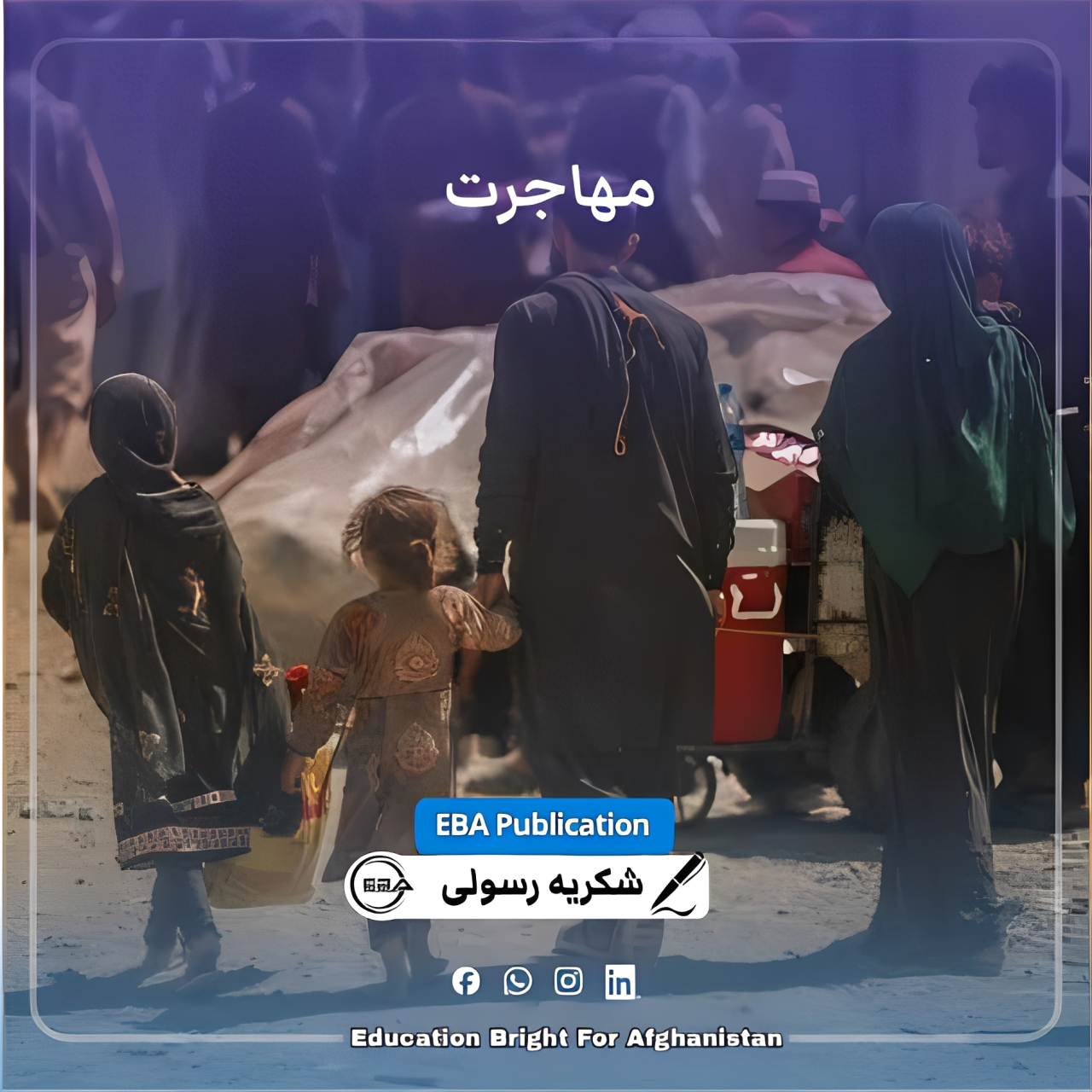
For me, migration was not just a change of place or leaving my country; it was drowning in the sea of exile and loneliness. Sometimes I see myself as a leaf torn from its root and stem, blown north to east, south to west by every wind, and crushed under the feet of passersby.

Even today, with Afghanistan’s current situation, when I hear someone has left the homeland, my eyes involuntarily fill with tears. My mind may remain occupied with them for hours or even days. I pray for them and sincerely hope they will never regret this separation.

Because I know well that migration is not just leaving a land; sometimes it is leaving a part of yourself. Sometimes it takes years to find yourself again, and sometimes, even after a decade, you are still searching for the person you once were.
165 Followers
5 Comments
Comments
خوشحالم که بخشی از نوشته های من فرصت دیده شدن پیدا کرد.ممنونم از EBA.
Biz afghan kadınlar her gün,her sabah kötü bir olay olur kokusuyla uyanan kadınlarız ve bu yaşadığımız korku bizim geleceğe adım atmamıza engelliyor her bir kadının geleceği olur hedefi olur biz yaşamak istiyoruz boş boş oda duvarlarına bakıp hayal kurmak istemiyoruz
کیف کردم از خواندم متن تان.و خیلی درد آور بود.
بسیار زیبا و عمیق نوشته شده است. هر سطر این نوشته از درد، استقامت و واقعیت زندگی حکایت میکند. امیدوارم هیچکس تلخی یتیمی و غربت را تجربه نکند. قلمتان سبز و ماندگار
Your journey and perspective are inspiring. May your stories continue to make a difference.